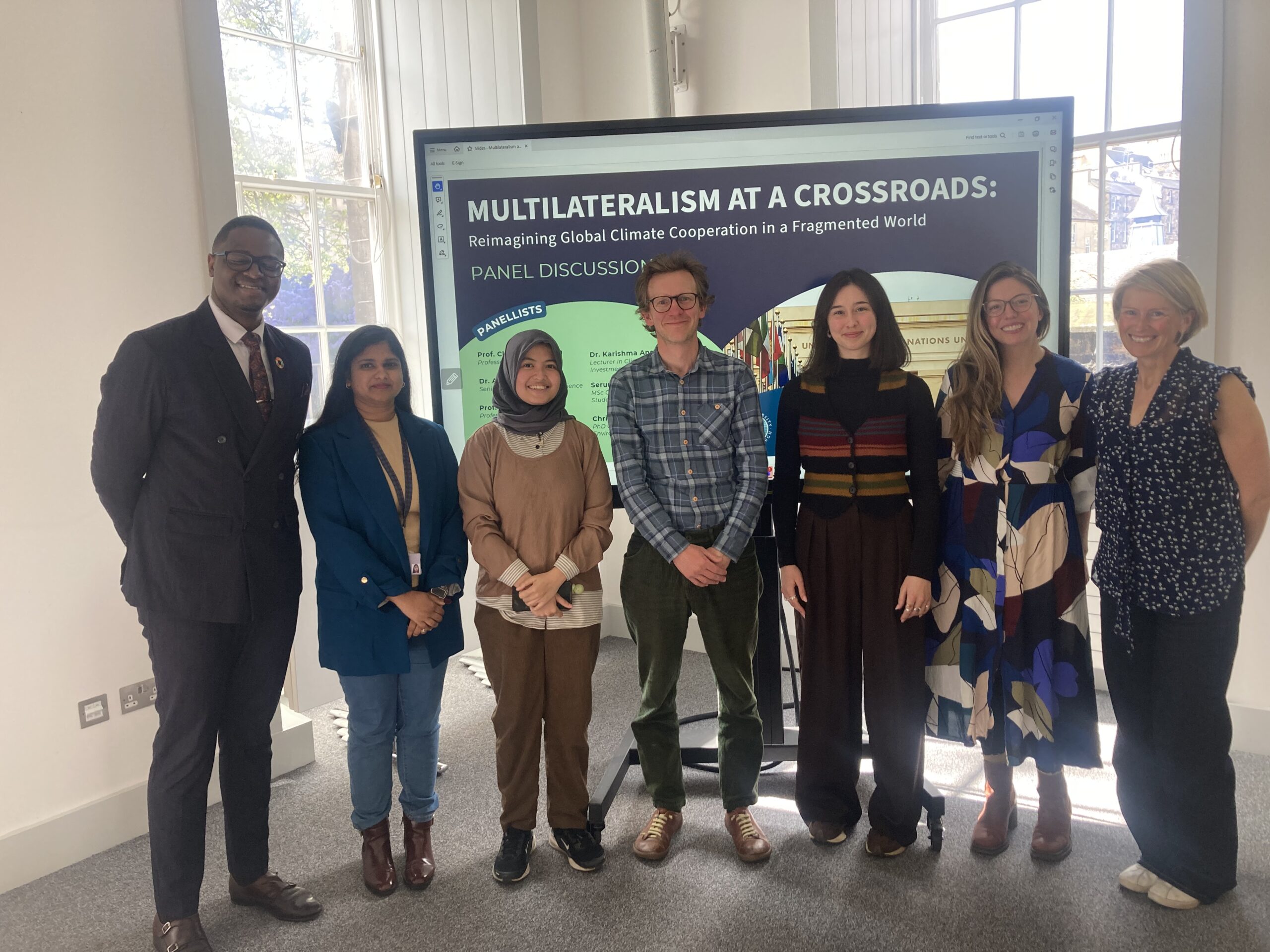
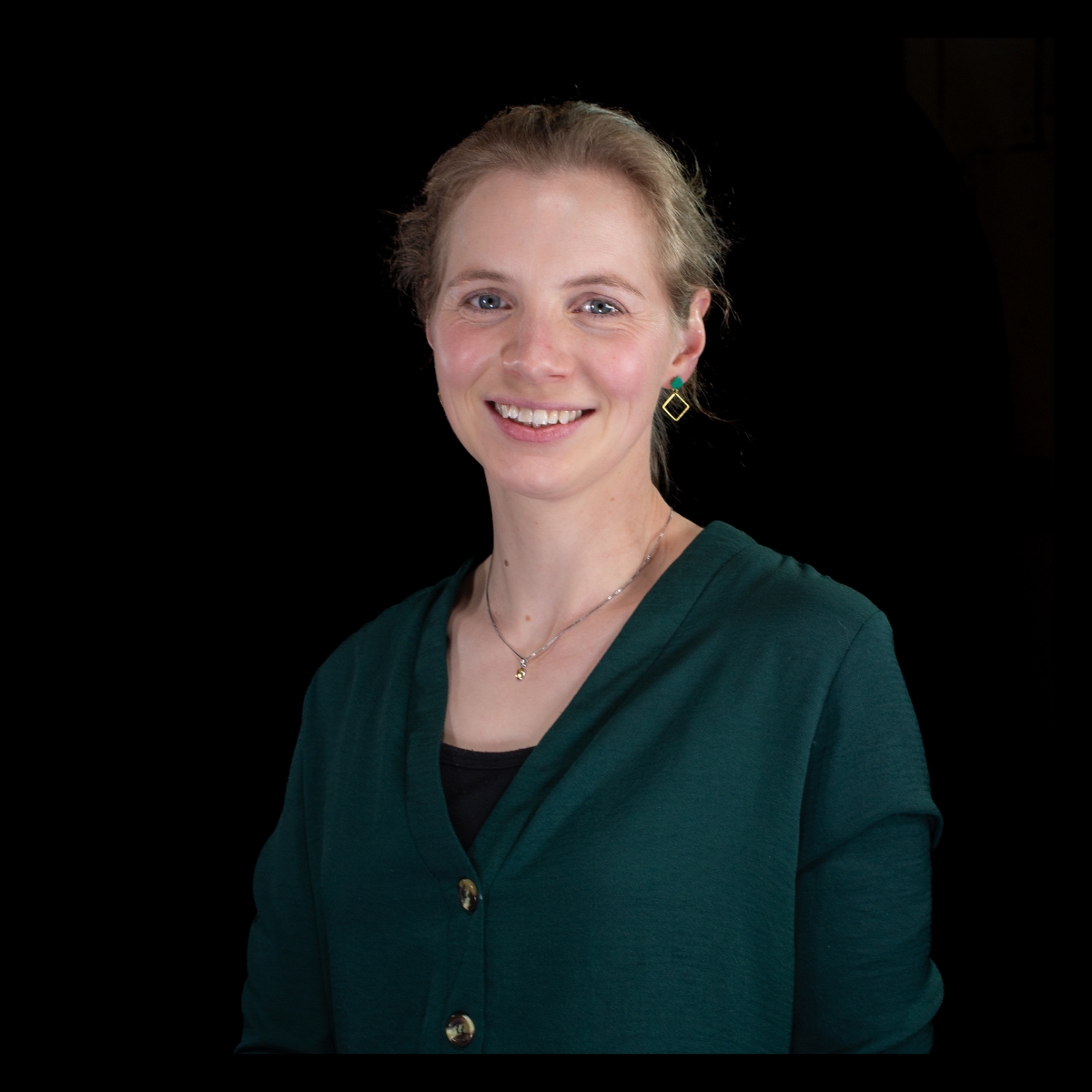
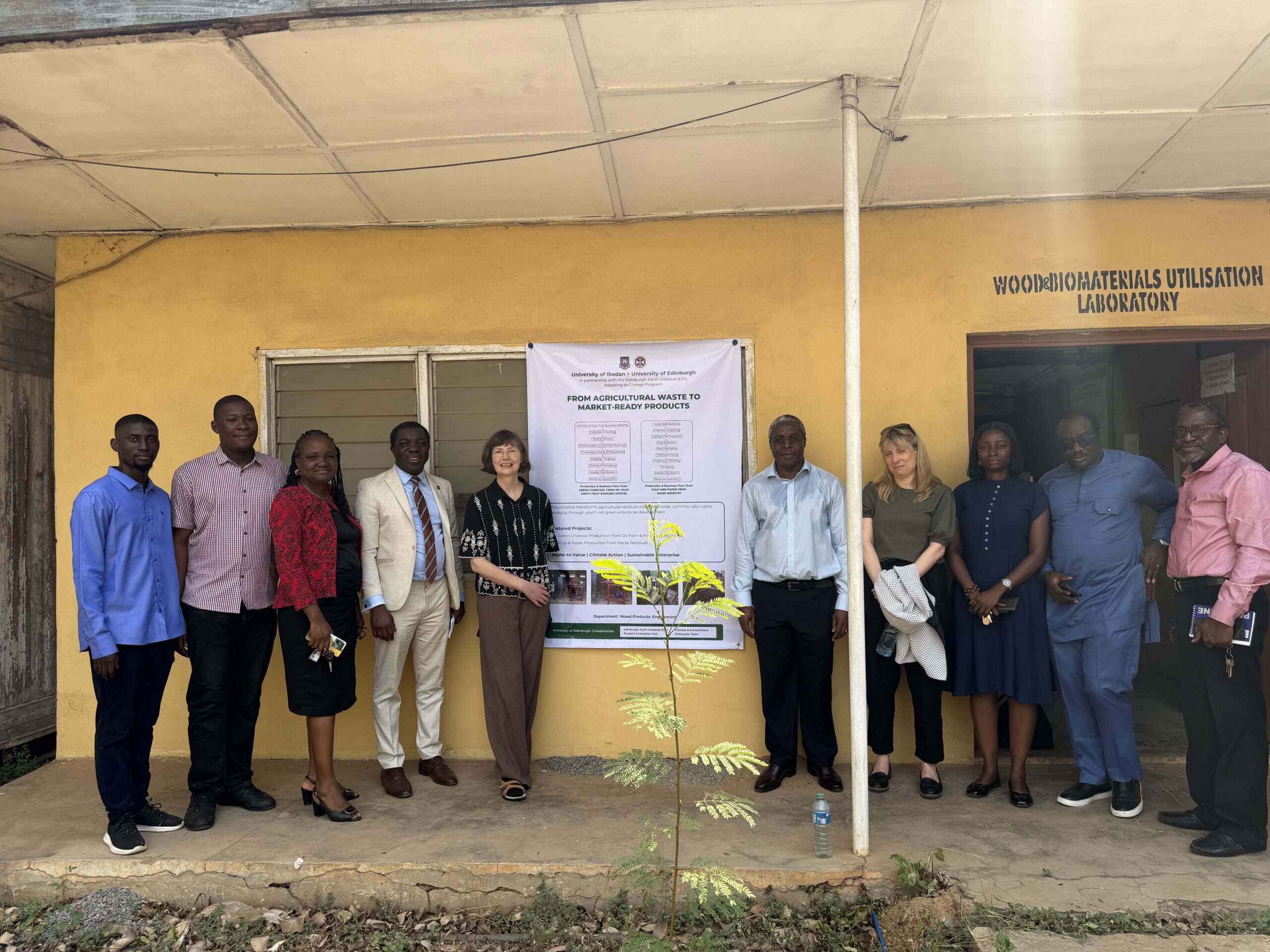
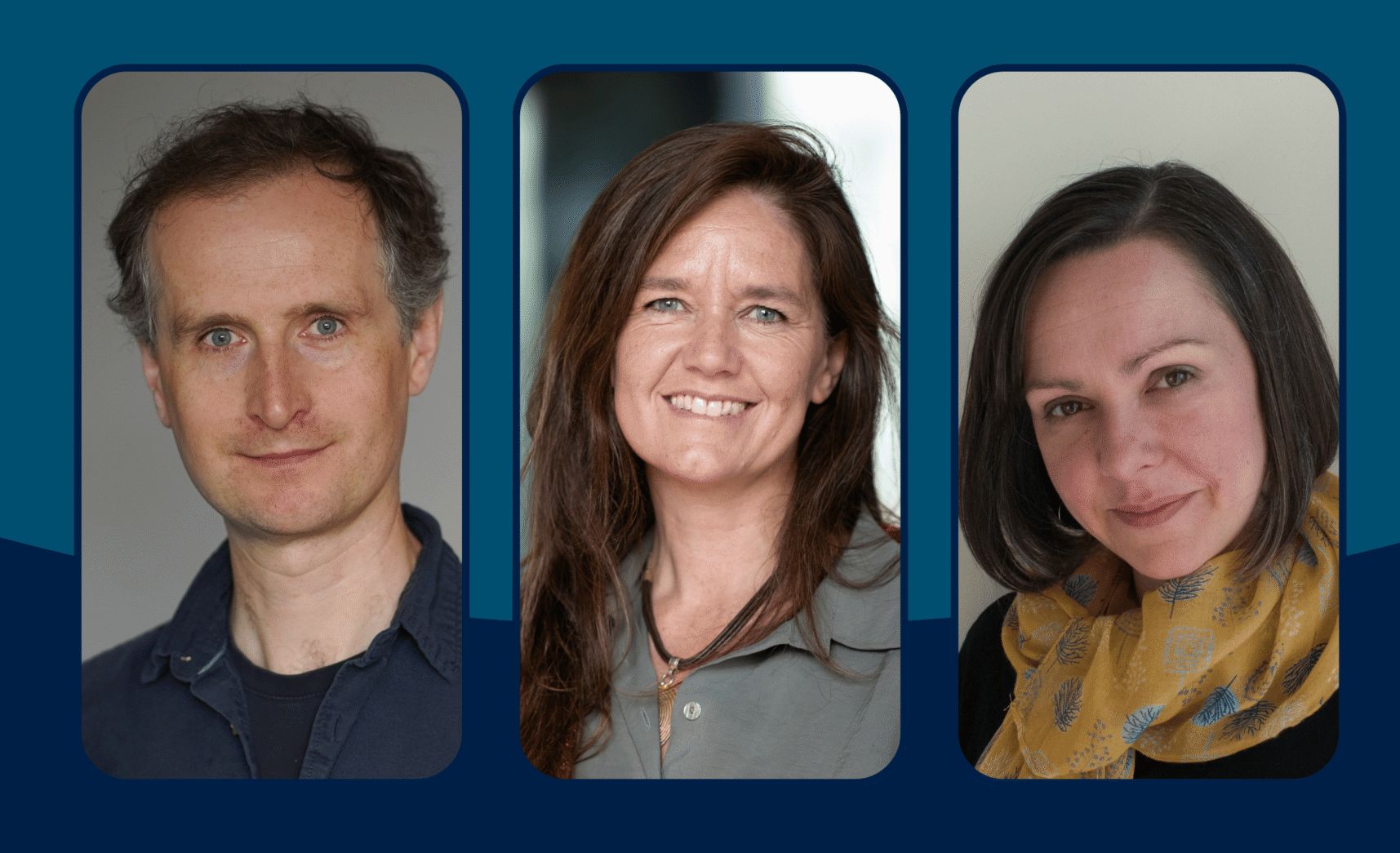
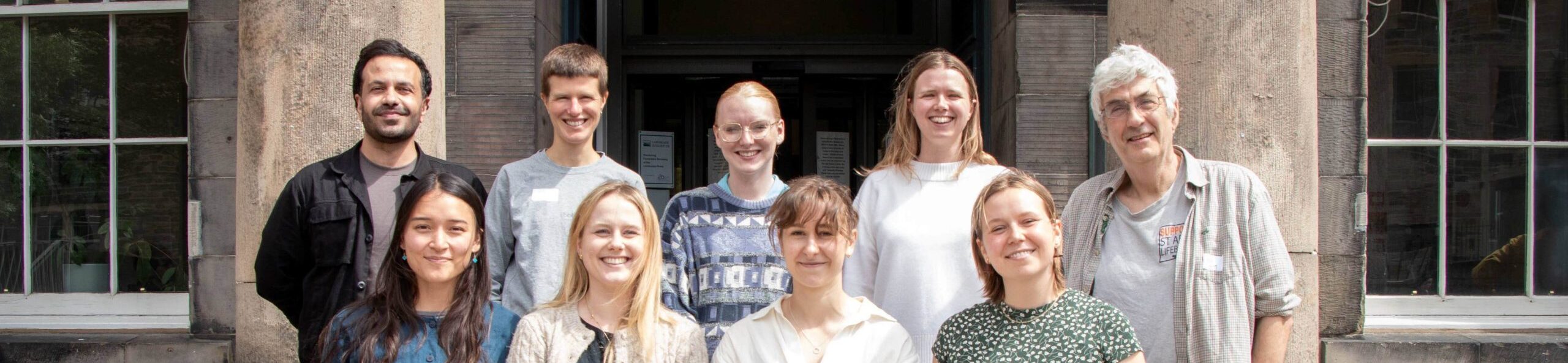
From lawyers to engineers, anthropologists to environmental scientists, the fourth cohort of Earth Fellows represents the full breadth of Edinburgh’s academic community. These 14 postgraduate and doctoral students hail from different countries, colleges, and disciplines, yet this year’s Earth Fellows share a collective commitment to advancing climate action, community resilience, and long-term sustainability.
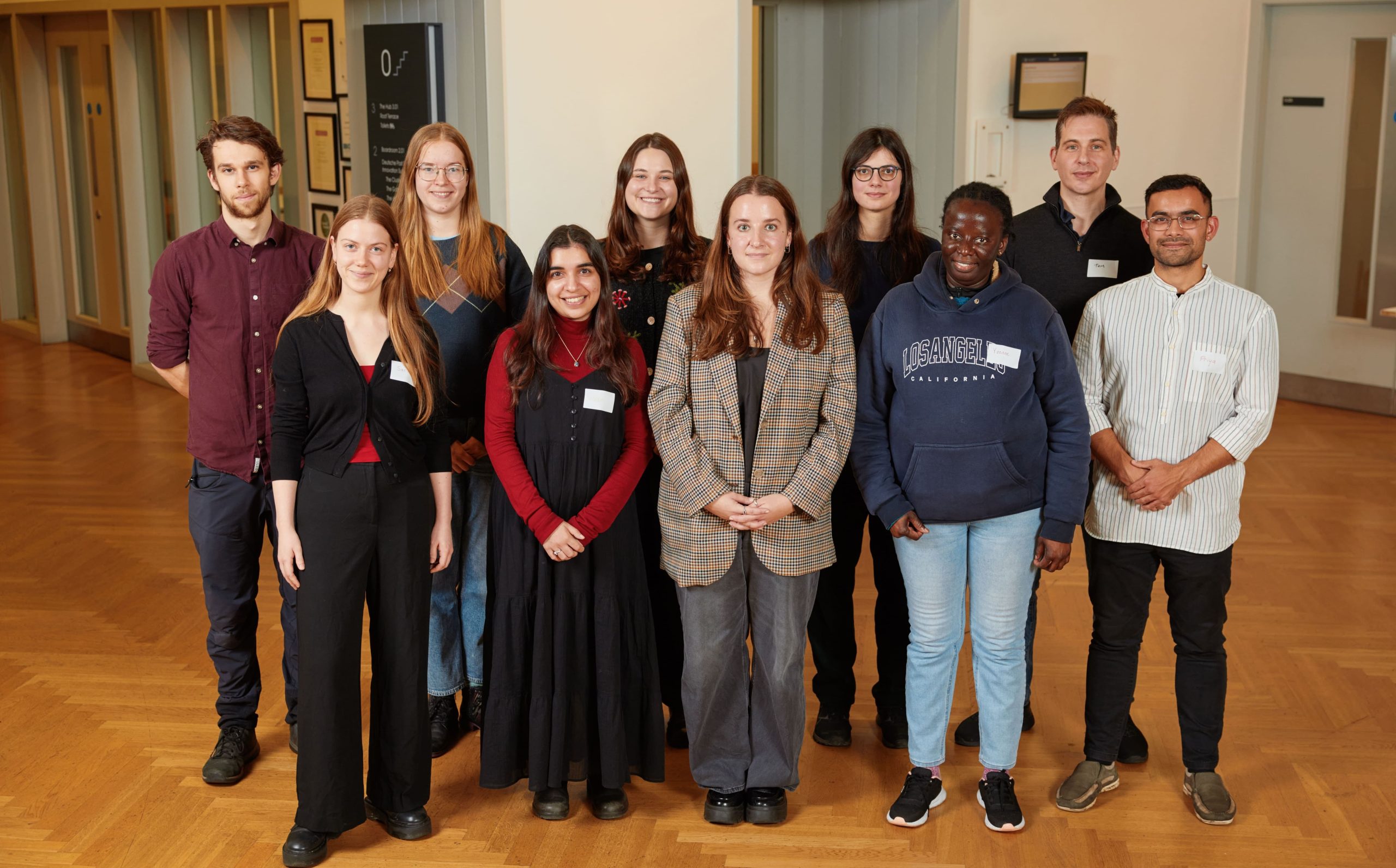
Formally inaugurated a few weeks ago, this year’s Earth Fellows are already making an impact across a wide-ranging portfolio of initiatives. Through funded placements coordinated by the Edinburgh Earth Initiative, they’re working on everything from preparing the University for COP30 to reimagining how mathematics education can address climate literacy. Fellows are investigating everything from Himalayan environmental challenges to the social dimensions of biotechnology, from quantifying fire-related emissions to exploring how communities can drive climate action through effective governance.
Earth Fellows Programme Manager Chloe Francis said:
“We’re very pleased to welcome this year’s cohort of Earth Fellows and look forward to supporting them as they contribute to interdisciplinary climate and environment projects across the University. Thank you also to the staff who have designed these exciting projects, and who continue to offer our Earth Fellows such expert guidance.”
Meet the 2025 Cohort
Climate and Environment Research Communications
Fellow: Emma Ackerley (MSc Global Strategy and Sustainability)
Partners: Edinburgh Earth Initiative (EEI)
Emma is working on sharing EEI’s activities with students, staff, and external audiences. Her project focuses on creating engaging digital content for EEI’s online channels, highlighting the Initiative’s activities and the University of Edinburgh’s climate and environment research and innovation.
Forest and Peatland Net-Zero Travel Officer
Fellow: Mariam Asghar (PhD Politics)
Partners: Yvonne Edwards
Mariam is designing and delivering sustainable, net-zero travel options to the University’s Forest and Peatland sites. The project aims to scale up low-carbon travel options that support increased access while minimising emissions.
Evidence from Polycultural Systems for Sustainable Agriculture
Fellow: Emma Brown (MSc Food Security)
Partners: Alfy Gathorne-Hardy, Saran Sohi
Emma is developing a global database compiling evidence on polyculture yields and biodiversity outcomes. Her work involves extracting, categorising, and coding data from research papers, as well as producing a narrative synthesis summarising key findings across the literature.
Climate Competencies in the Mathematics Curriculum
Fellows: Douglas Copeman (MMath Mathematics) and Foteini Dervisi (PhD Geology & Geophysics)
Partners: Gonçalo Dos Reis, Mark Naylor
Douglas and Foteini are developing data-driven teaching resources that support mathematics educators in integrating climate and sustainability into their lessons. Their project strengthens modelling skills and explores how teaching materials can be adapted across disciplines with different pedagogical approaches.
Climate and One Health Evidence
Fellow: Yvonne Fondo (PhD Population Health Sciences)
Partners: Edinburgh Climate Change Institute (ECCI), Usher Institute (UNCOVER)
Yvonne is establishing a register of climate and One Health evidence syntheses, contributing to interdisciplinary research that informs public health and environmental policy.
Quantifying Carbon Emissions from Anthropogenic Fires
Fellows: Thomas Harrison (PhD Sustainable Materials) and Sarka Ondrouchova (MSc Data Science, Technology and Innovation)
Partners: Dave Rush, Matthew Brander, Alreem Alshimmari
Thomas and Sarka are working to quantify carbon emissions from anthropogenic fires, helping develop more accurate approaches to evaluating the climate impacts of human-driven combustion events.
On-Campus and Online Engagement with UN Climate and Environment Meetings
Fellow: Howard Mwesigwa (LLM Global Environment & Climate Change Law)
Partners: Edinburgh Earth Initiative (EEI)
Howard is enhancing student and staff engagement with UN climate and environmental meetings. His project includes organising a COP Café event, coordinating the use of COP30 digital passes, and evaluating the reach and impact of these activities across the University community.
Digital Media Officer – Sustainable Forests and Landscapes
Fellow: Rachel Orchard (PhD Forest and Peatland Restoration)
Partners: Centre for Sustainable Forests and Landscapes (CSFL); Marc Metzger, Iain McNicol
Rachel creates strategic digital media content to share updates, research outputs, and activities from the Sustainable Forests and Landscapes portfolio with students, staff, and external audiences.
Local Governance for Climate Action (IMPACT)
Fellow: Simran Sonawalla (MSc Research Psychology)
Partners: Edinburgh Climate Change Institute (ECCI), Sue Widdicombe
Simran is examining interdisciplinary team dynamics within local climate governance. Her project focuses on Scottish local authorities, identifying best practices and the behaviours and policies that support effective cross-disciplinary collaboration on climate issues.
Profiling the University’s Research Expertise for COP
Fellow: Katherine Taylor (PhD Atmospheric and Environmental Sciences)
Partners: Edinburgh Earth Initiative (EEI)
Katherine produced a publication profiling the University of Edinburgh’s research expertise relevant to UN climate and environmental negotiations, including COP30. She is disseminating this resource to support both internal and external engagement with global climate policy processes.
Environmental Crisis and Energy in the Himalayas
Fellow: Priya Thapliyal (PhD Human Geography)
Partners: Rahul Ranjan, Jeevan Sharma, Hugh Sinclair
Priya is contributing to the development of the “Crisis in the Third Pole” (CITP) analytical framework. His project explores how climate change and energy transition processes are reshaping ecological systems and social dynamics in the Himalayan region.
Social Dimensions of Environmental Biotechnology
Fellow: Marie-Louise Wöhrle (PhD Anthropology)
Partners: Kyle Parker, Louise Horsfall, Rob Smith
Marie-Louise is investigating the social and political dimensions of environmental biotechnology. Her work examines the claims made by scientists and policymakers about biotechnology’s potential, alongside social science perspectives on its wider societal implications.
From classrooms to COP30: Fellows on interdisciplinary climate work
Foteini Dervisi shared her excitement about bridging mathematics and climate action: “We will build a collection of educational resources to support teachers in helping students develop mathematical modelling skills with a focus on climate and sustainability challenges. I am excited about this project as I feel it is an opportunity to bridge disciplines, make mathematics feel relevant to real-world issues and empower mathematics students to think about how they can contribute to addressing global challenges.“
Simran Sonawalla explained how her project connects research with real-world impact: “This project integrates psychological insights into how identities and relationships are mobilised for collective action with practical insights provided by the Scottish Climate Intelligence Service. I am excited by the opportunity to bridge academic research in social psychology with real-world organisational challenges around interdisciplinary collaboration and effective climate governance.“
Katherine Taylor highlighted the global reach of her work: “I will be working on the University’s ‘Advancing Action’ publication. This will bring together the work and perspectives of researchers from the University to demonstrate how research at Edinburgh is helping to address global challenges, and will be used to aid engagement at COP30 and beyond. I am looking forward to working with researchers from across different disciplines to promote an interdisciplinary approach to addressing climate change, and increasing the visibility of the University’s research at global forums.”
With the launch of this fourth cohort, the Earth Fellows programme continues to demonstrate the University of Edinburgh’s commitment to advancing research, education, and action on climate and sustainability. The diverse expertise and enthusiasm of the Fellows will play a vital role in supporting institutional priorities, strengthening international engagement, and contributing to solutions that extend far beyond campus. We look forward to following their achievements throughout the year.
Earth Fellows Opportunities
We’re hiring two new Earth Fellow roles in Failure Modes of Engineering (FeME) this month. You can find the application links here. Keep an eye on our LinkedIn for any potential future opportunities.
Researchers at the University of Edinburgh can host Earth Fellows to support their areas of research and contribute to the wider strategic aims at the University of Edinburgh. Length of projects and Earth Fellows contributions are flexible based on your project’s needs. Get in touch with Earth Fellows Programme Manager, Chloe Francis to explore how you could be involved in our next cohort.