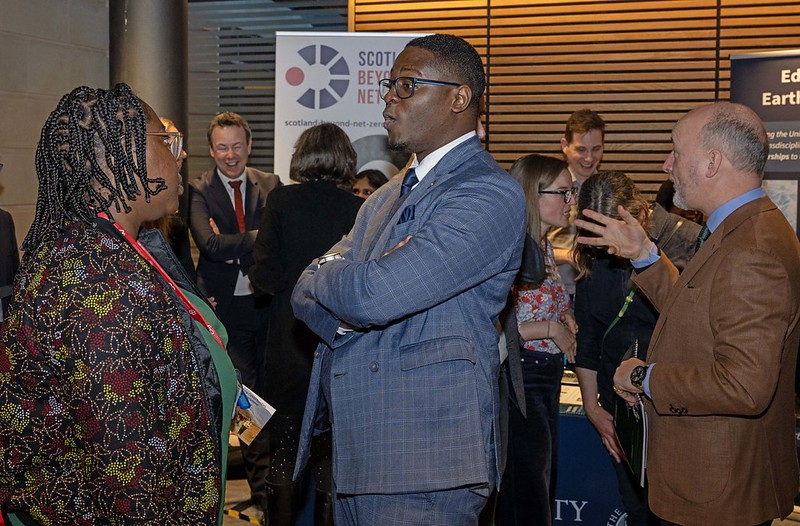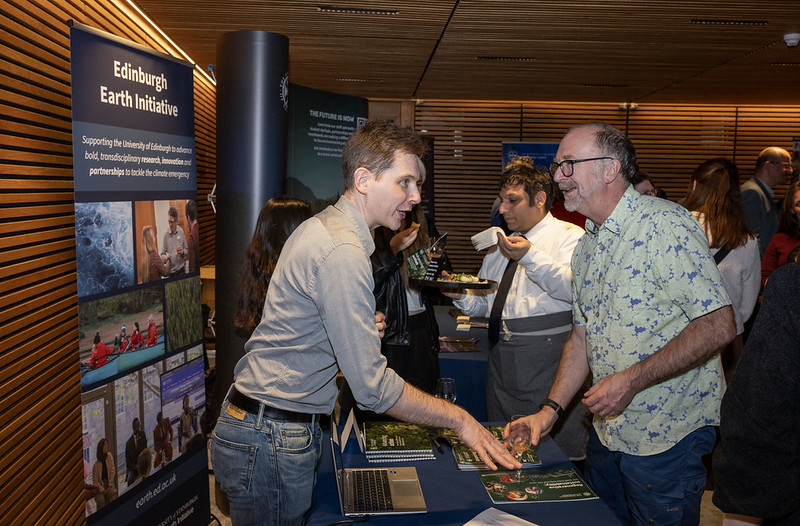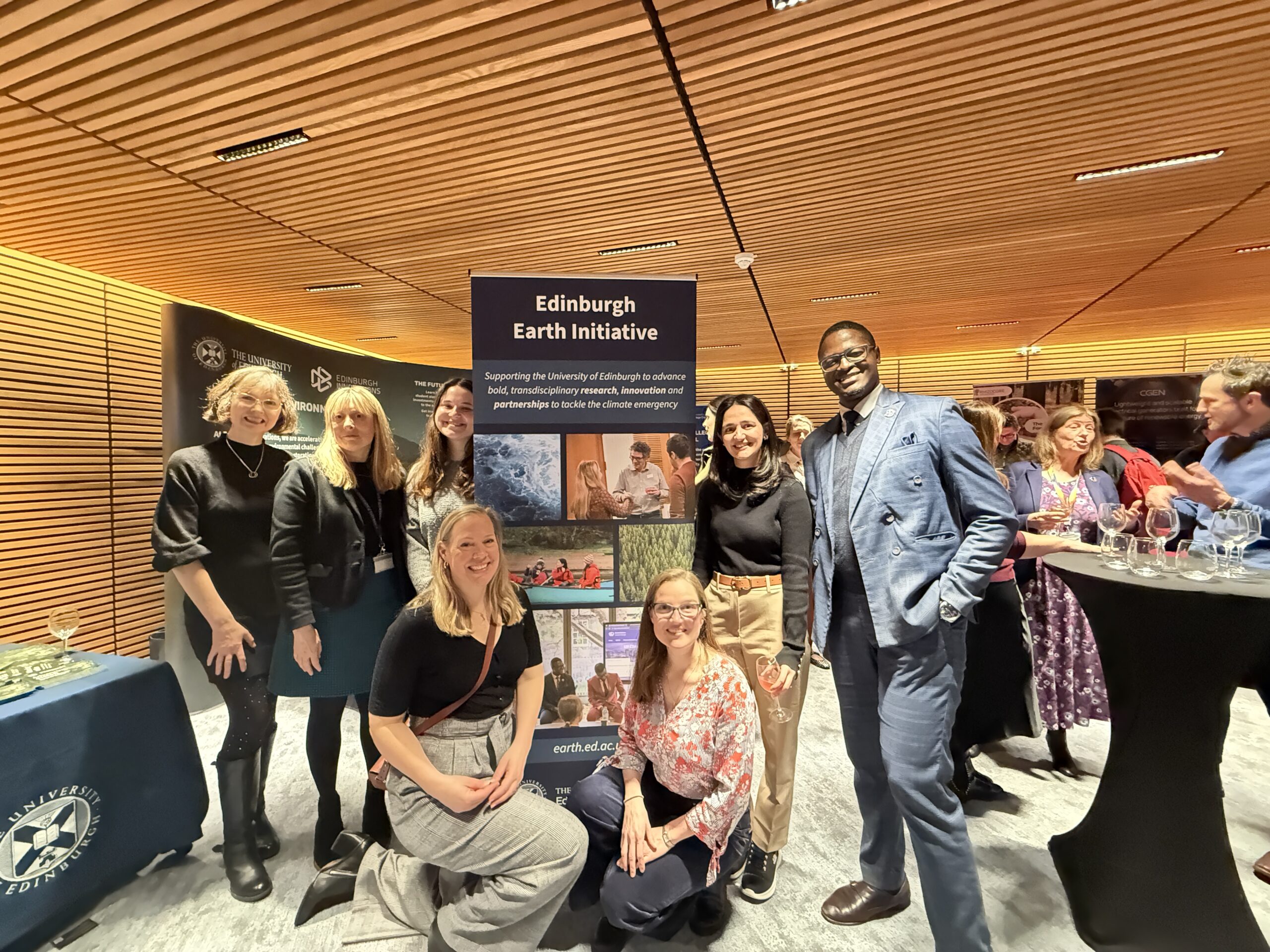
On 24 March 2026, we took part in the launch of the University of Edinburgh’s new Regenerative Sustainability Strategy at McEwan Hall.
The strategy, Regenerative sustainability: our pathway beyond net zero, marks a significant shift in how the University is approaching the climate and environmental crisis. Rather than focusing only on reducing harm, it sets out an ambition to actively restore natural systems, support biodiversity and deliver positive environmental and social outcomes.
At its heart is the recognition that we are facing an environmental polycrisis, where climate change, biodiversity loss, water impacts and pollution are deeply interconnected. In response, the University is taking a whole-institution approach, embedding sustainability across research, teaching, operations and investment.
Over the next 15 years, the strategy sets out a series of ambitious commitments. These include integrating climate and nature across the curriculum so that all students can engage with these challenges, strengthening interdisciplinary research, and aligning operational activity with science-based targets. Alongside a net zero target, there is a clear focus on biodiversity recovery and ecological restoration at scale, including work beyond the University’s estate.
The launch event brought together researchers, students, professional staff and external partners to reflect on this direction and what it will take to deliver it in practice. There was a strong sense of shared purpose across the evening, alongside space for discussion and exchange across disciplines and sectors.
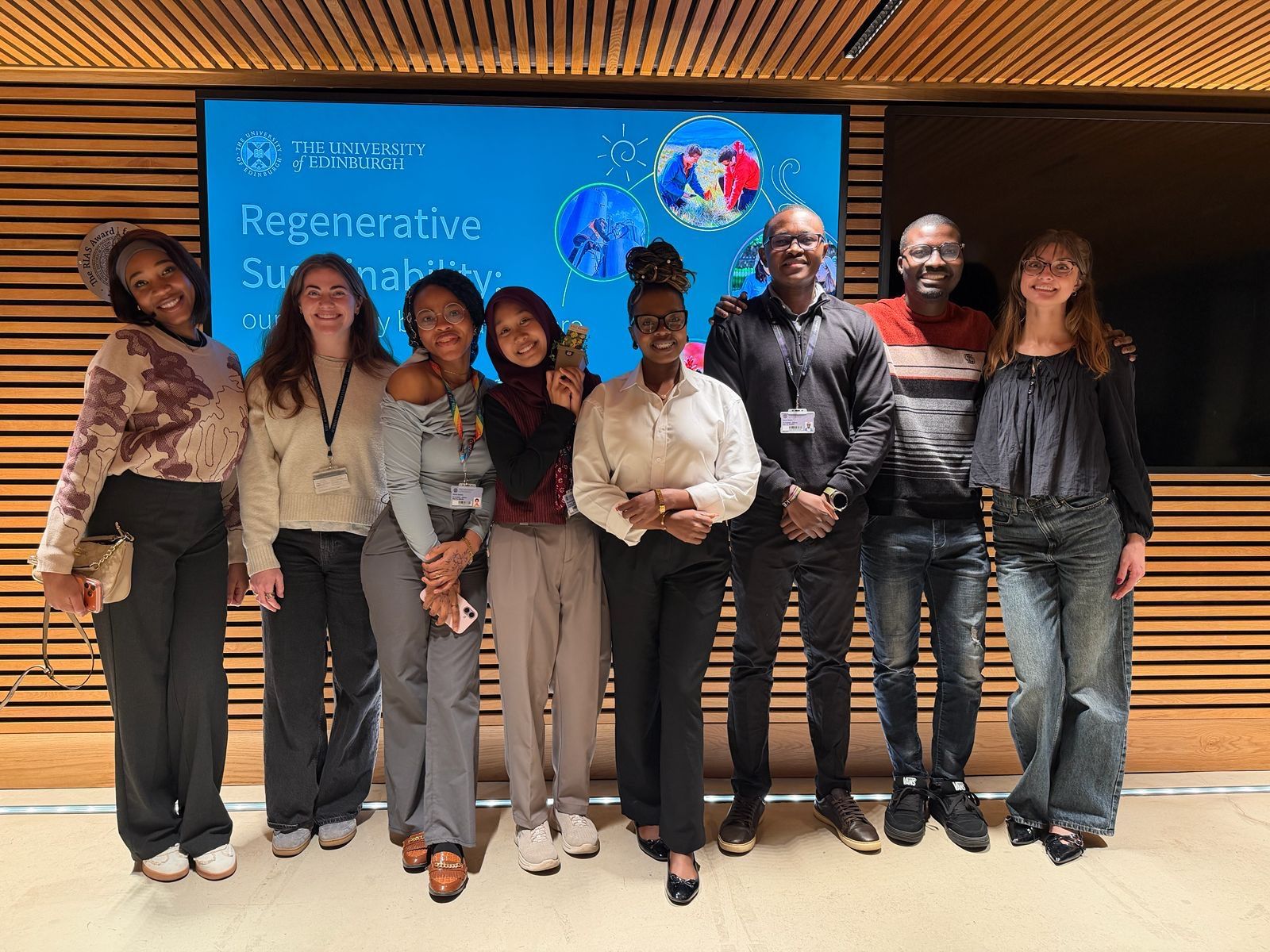
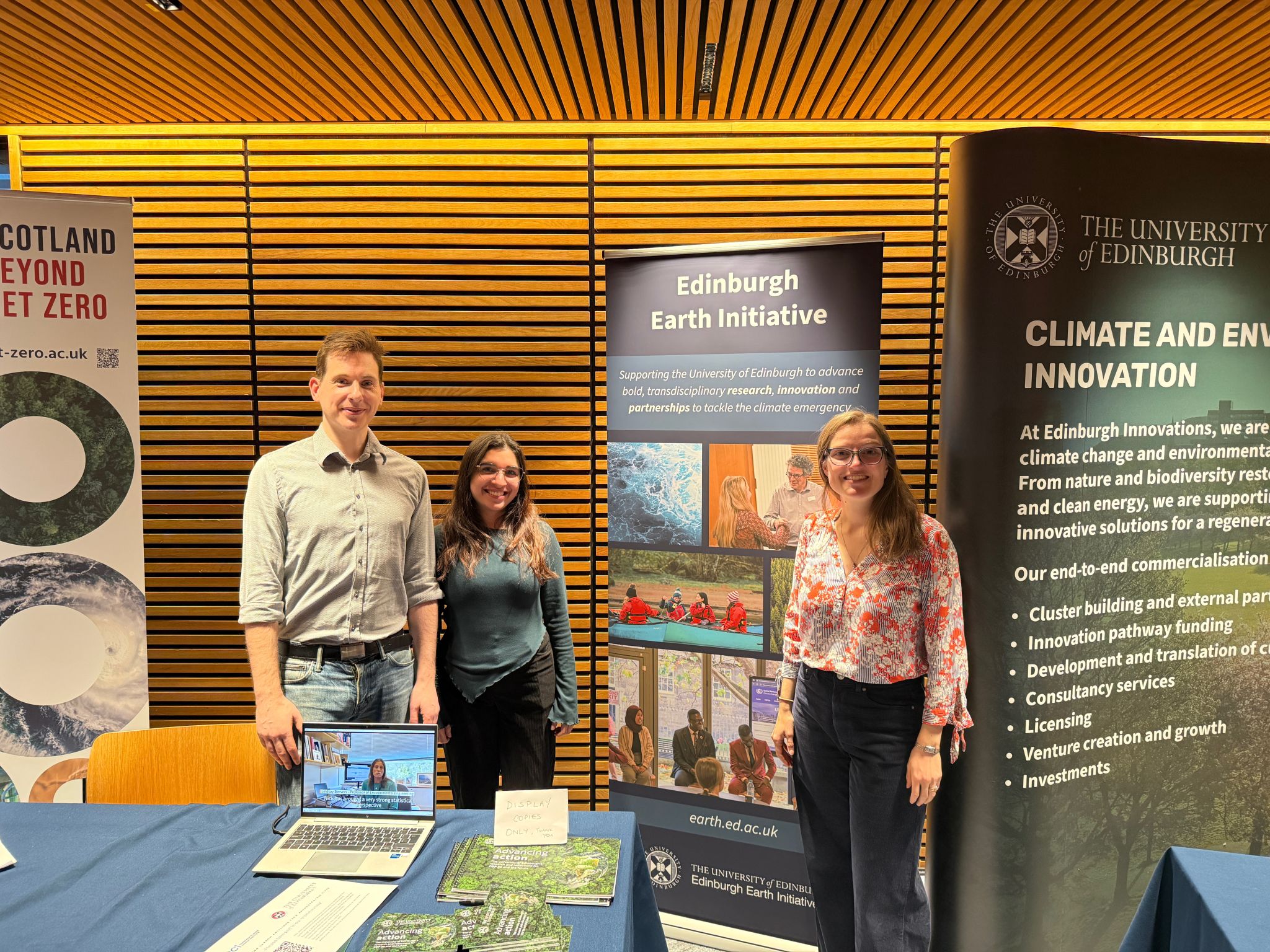
For us at the Edinburgh Earth Initiative, the event was an opportunity to connect with colleagues and partners working across these areas, and to contribute to discussions on how the University’s ambitions can be delivered in practice. A key theme that emerged was the role of interdisciplinary approaches and the importance of collaboration in translating research into practical, scalable solutions.
Members of our community, including staff, Earth Fellows and Earth Associates, were present throughout and contributed to a wide range of conversations. Their involvement reflected the breadth of expertise within our network and the role we play in connecting people, ideas and activity across and beyond the University.
The event also highlighted our new and ongoing work, including support for interdisciplinary research collaborations, the development of partnerships, and activity focused on climate and environmental solutions. We also celebrated our new Earth Champions, senior academic leaders tasked with advancing transdisciplinary research and innovation in Clean Energy Systems, the Circular Economy, and Sustainable Cities.
As the University begins to implement its Regenerative Sustainability Strategy, we will continue to support this work by connecting people, enabling collaboration and helping to turn ambition into action.