As COP31 negotiations continue in Antalya, national representatives are working to tackle climate change. But how does this affect local communities, and how can we get involved?
COP is often viewed as a discussion that occurs behind the closed doors of conference rooms, where national representatives negotiate climate action. However, the links between what happens in Antalya and what happens locally might be stronger than we think. International negotiations can help to set goals and commitments, but their impact depends on how they are put into practice. At the international, national, and the local level.
Connecting the conference room to local communities
COP’s influence can extend far beyond the conference room. By setting political priorities and shining a light on global climate action, it can provide a spring board for collaboration and change. COP31 is a perfect time to share ideas, build partnerships and explore how we can make a change. Local communities, governments, businesses and universities have a role to play.
Vitally, the locality-COP relationship should work both ways. Local communities can help to determine pressing issues, share practical knowledge of mitigation, promote equitable decision-making and develop solutions suited to their needs. Meanwhile, COPs are increasingly recognising the role of local communities and governments in driving change. The Coalition for High Ambition Multilevel Partnerships (CHAMP) was developed at COP28 to strengthen collaboration between local and national governments in developing, financing and enacting climate strategies. By designing roadmaps for closer integration and helping national governments improve local consultations, CHAMP has gained around 80 national endorsers that are committed to strengthening local and national ties.
COP has also worked directly with local communities to improve visibility. For example, at COP26 in Glasgow, local groups worked together to devise the Community Green Map of Glasgow, showcasing green initiatives in the city, from community gardens to reuse shops. The map was promoted during COP26 and was used by thousands during the event. This demonstrates how COP can bring greater visibility to local initiatives and help people to connect with their local community.
However, raising awareness is only part of the story. What can local initiatives achieve, and how can they help communities to tackle climate change and become more climate-resilient?
The power of local action
The power of local action can be seen here in Edinburgh. In 2025, a community-led climate adaptation project was launched by local group, Edible Estates. This developed adaptation plans, such as providing community climate action and resilience education, improving green spaces and creating more community centres. This shows how involving communities in climate planning can use local knowledge to create practical goals, ensuring that the needs of the people are better accounted for.
Local action may bring a host of unexpected benefits. For example, researchers at the University of Edinburgh and Edinburgh Communities Climate Action Network (ECCAN) have been investigating the power of local climate action for health benefits. They found that even brief climate action in outdoor green and blue spaces could improve mental and physical health, even though programmes did not explicitly aim to improve health benefits. Read the research here.
What now?
Ultimately, the success of COP depends on what happens beyond the conference room. Local communities play an important role, by sharing their insights to guide climate action to become more effective and equitable. COP31 provides an opportunity to bring local voices together, guiding the ship on what climate action looks like in Edinburgh and beyond.
COP31 Cafe
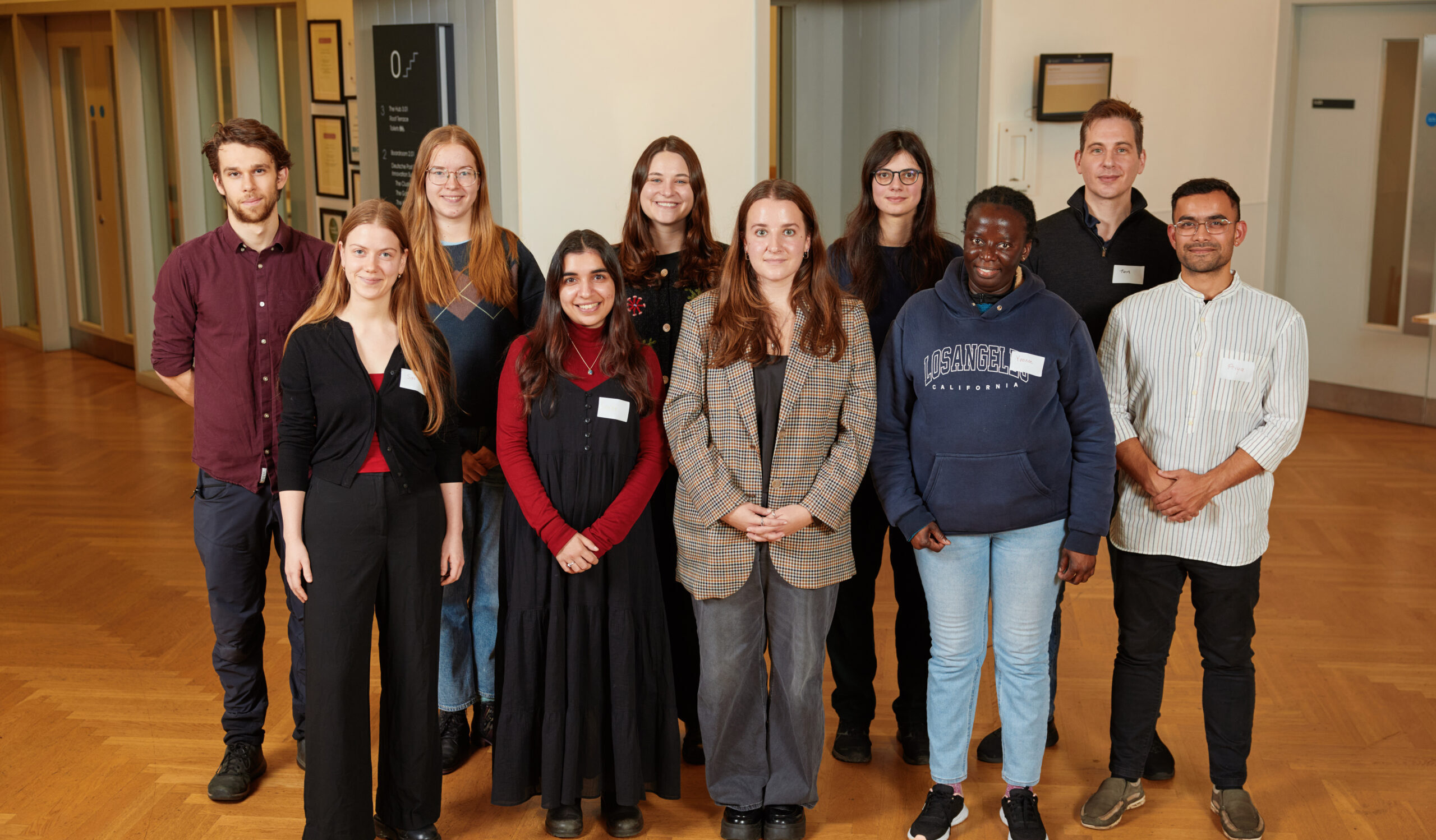
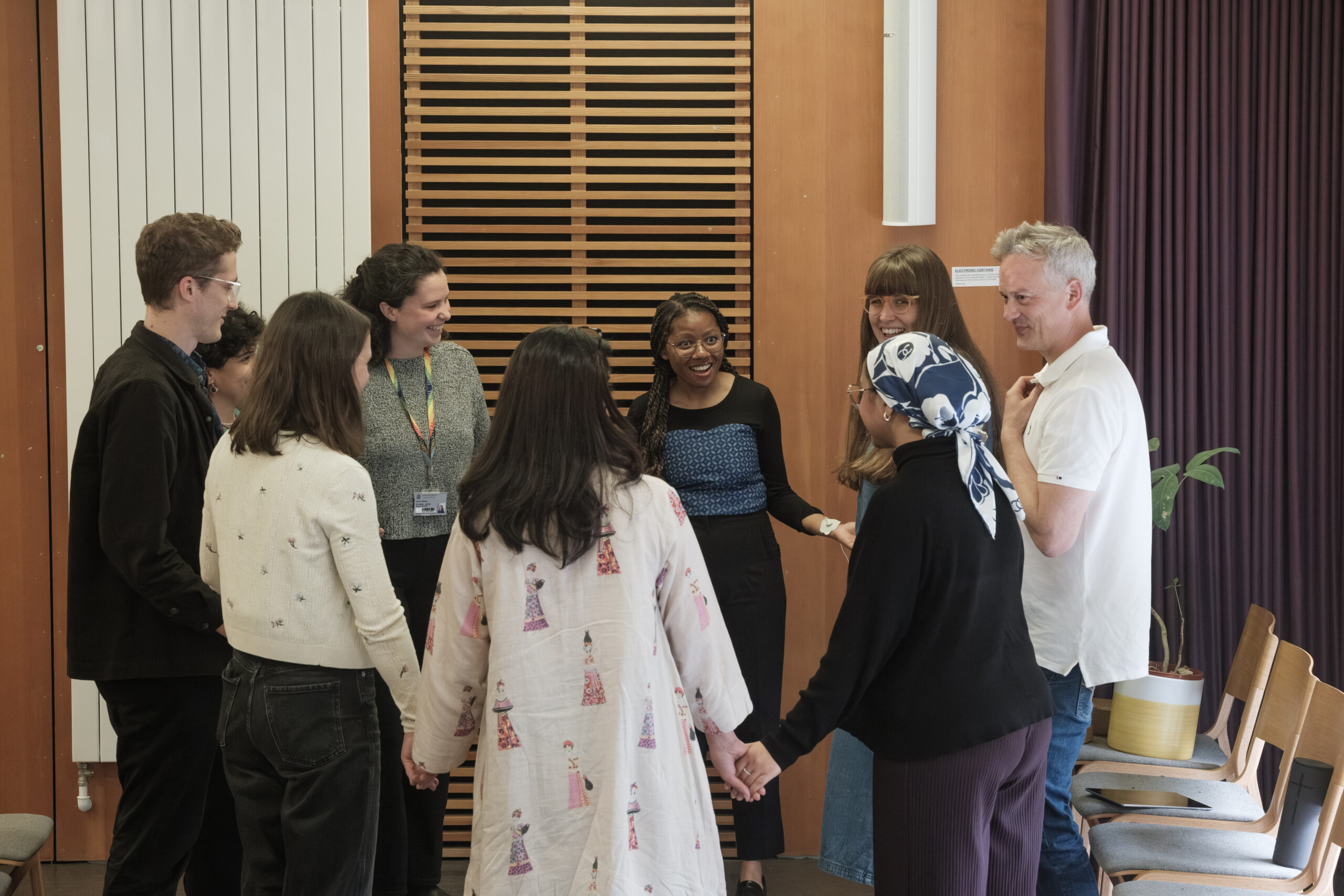
The Edinburgh Earth Institute’s COP31 Cafe aims to create a space to have these conversations. We hope to bring the university community together to discuss priorities and action. The event will explore what the role of COP31 is in facilitating climate action and the opportunities it presents, both globally and locally. We will explore what local action looks like in the context of topics such as circular economy, youth participation and education, climate resilience and green energy. This is an opportunity to come together with hope that the future can be brighter and that we have the power to make a greener, more resilient Edinburgh for everyone. Book now.